
Fashion is a mirror. It is a reflection of the self and an expression of individuality. Garments and accessories tell the world about the wearer’s culture, interests and beliefs. Fashion is a key part of the evolution of society.
Anthony Hood is a junior majoring in graphic design with a minor in marketing. He is also the co-founder of Handmeedown, a pre-owned clothing brand, which he runs with his brother. Hood said that this brand combines his lifelong desire to be an entrepreneur with his love for fashion, which started as a kid when he would watch his stepdad flip shoes.
“For me, fashion was just kind of a way to express myself, and I can speak for a lot of people when I say that,” Hood said. “I really like to express what's going on in my mind in an outward sense through the things that I wear.”
Deja Vu is a consignment boutique that has been in Uptown Westerville since 1982. The current owner, Jaclyn Owdom, has been running the shop for over four years. She said it was her dream to own a boutique because of her love for fashion. She said she runs the store with the goal of broadening the availability of women's sizes.
Trends and styles come and go, but they always seem to cycle back around – generally once every 20 years or so. In the fashion world, this is known as the “20-year rule.”
“You get so sad that you threw that thing away, because now it would be vintage,” said Owdom. “It's funny because right now I feel like what I was wearing in my twenties is back in fashion again.”
Kristy Courtright is a 1968 alumna of Otterbein and daughter of the namesake of Otterbein's beloved Courtright Memorial Library. She works at the Otterbein Thrift Shop that was established in 1952.
Courtright said that the youth of today are leading the evolution of fashion and trends. “It just kind of evolves,” said Courtright. “I think the teens are dressing for comfort too, and cheaply. But the high school kids, I think, they just wear or dress however they want to.”
“The fashions do make a comeback, but they're different,” Courtright said. “They usually have a twist to them, too.”
Stephen Grinch is a 1998 alum and archivist at Courtright Memorial Library. He has seen firsthand how fashion has expanded and evolved, particularly through a historical lens and looking ahead. “I feel like it's going to be harder and harder to identify which era photos are from in the future, because so many people have so many different looks now,” said Grinch.
“Looking back now, depending on the day, you could catch somebody wearing a '70s bell-bottom outfit standing next to a punk rock look from the '80s, next to a grunge look from the '90s, all in one photo, and everybody's just in their everyday wear,” Grinch said. “Everybody finds a little way to bring in their own style to say, 'this is who I am,' or to stand out in their own personal style. It is another way of expressing ourselves, telling people through our own fashion sense and style who we are.”
Otterbein’s campus is just a tiny sample of the broad range of fashion that has existed throughout the past century. Still, the student body and its style have evolved and moved with time. There are plenty of gems hidden in the old Sibyl yearbooks.
1926
The Roaring Twenties were characterized by fashion becoming bolder and freer than ever before. By today’s standards, it is still very conservative and formal – but this was the first time that it was acceptable for hemlines on dresses to show ankles, and even lower calves, as pictured here.
1946
The post-war era of the mid 1940’s also brought a shift in people’s fashion choices. Students’ daily wear became more casual, with more sweaters and fewer suits. Wartime fabric rationing led to the rise of materials like rayon, more fitted silhouettes, and hemlines being shortened once again.
1966
The 1960s featured more trends than ever before, like mod style and the beginning of the hippie movement. Women started wearing pants just as much, if not more than, skirts and dresses on the day to day. The sixties saw the miniskirt’s rise to fame, as well as plenty of twenties-inspired bob haircuts.
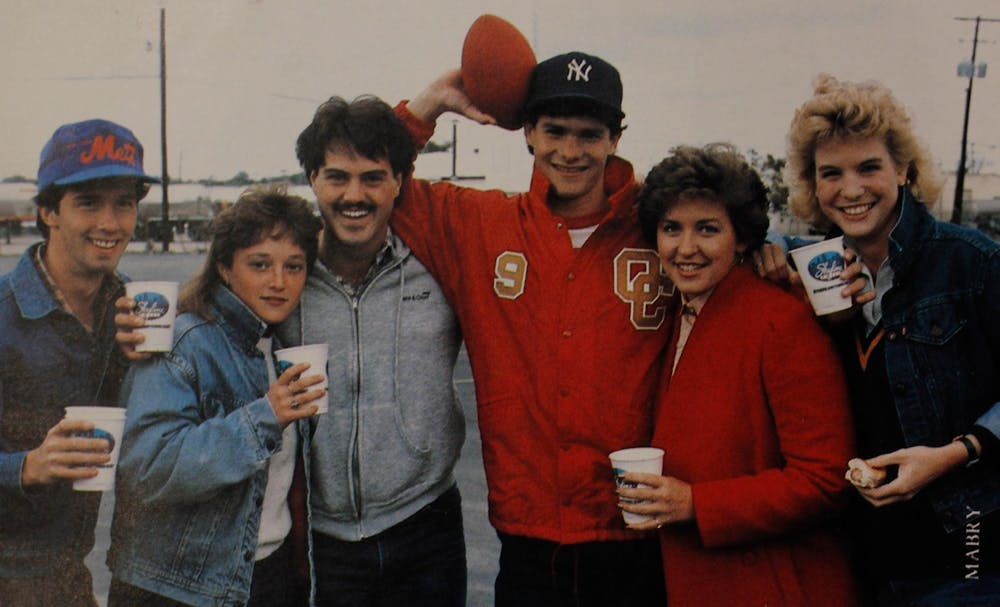
1986
The 1980s were all about bold patterns, chunky textures, and more diversity in makeup and hairstyles. The rise of icons like Madonna meant that glamour was in, but so were increasingly casual outfits in settings like a Cardinals game.
2006
The new millennium brought new trends. Lots of layering and bright, bold accessories recall some of what was seen 20 years prior in the 80s. Still, some styles were especially millennial: sleeveless tops, tiny sunglasses and silly bandz, among plenty of other things.
2026
Today, fashion is an explosion of different styles and aesthetics, becoming a time machine and a melting pot. According to Owdom, the biggest trends today prioritize material over design. Polyester is out. Owdom said her customers look for well-made pieces that are vastly more durable and sustainable than the fast-fashion pieces that get thrown away after one wear.

Letter from the editor
Meet the 2026 magazine staff


Y26 fashion trends for a new era


