With students planning their future housing, many turn away from Otterbein’s often-criticized housing. The cost of living in a dorm is too expensive for some students, and they are considering renting their own housing. Although renting may seem confusing in comparison to Otterbein's housing process, it can be more straightforward than students might think. Some of the students’ most-asked questions are answered below.
Is it cheaper?
Going off the cheapest figures for the 2026-2027 school year, the cost of a standard double dorm room, along with the cheapest meal plan, will cost students $1,485 per month, coming out to $13,365 for nine months of residency. As the quality of rooms increases, such as a suite-style room or a commons apartment, the prices get even more expensive.
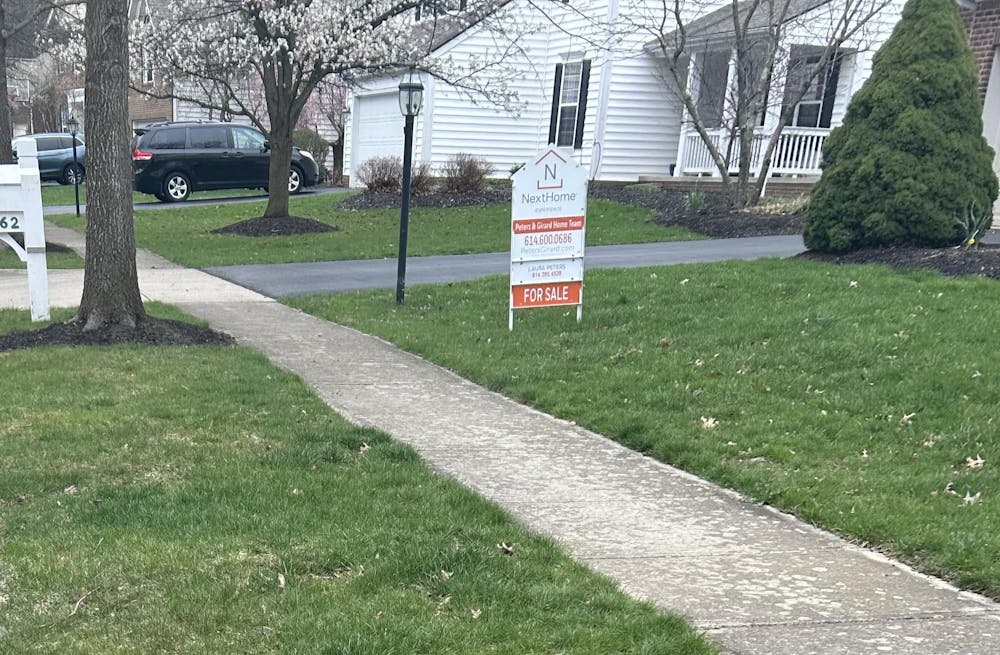
The average four-bedroom rental house in Westerville as of 2026 is around $2,750 monthly. Assuming students rent with at least three other roommates to split the rent, the monthly cost comes out to $687. If utilities are not included, it would add roughly $200 onto the blanket cost of rent, $50 per individual per month. This would bump rent up to $737 monthly and would result in a yearly cost of $8,844 per student. This figure does not include furnishing the house or groceries, and prices vary from house to house.
What prerequisites are needed to live off campus?
Otterbein requires that students who want to live off-campus must fulfill one of the following prerequisites: have a parent reside within a 30-mile radius of the university, complete 90 credit hours before the fall semester of the year, be 22 at the beginning of the fall semester, have lived on campus for three full years, have been active duty in the military for at least 18 months, or live with someone they’re married to.
Students in the past, however, have found ways to get around these prerequisites, such as applying for commuter status and then living in off-campus housing under the pretense of living at home with a parent or guardian. Another method was requesting a medical release form stating why a student could not live in a dorm from Reslife to be filled out by a doctor. Students may email Reslife to identify whether they qualify for “extraordinary circumstances unforeseeable at the time of admission to the University and documentation to support these circumstances,” as stated by the university.
Who can sign a lease in the first place?
Students with a valid ID–passport, social security number, or a driver’s license–an established credit score (approximately 600 or higher), and proof of stable income–paystubs or a letter from the employer. Occasionally, renters may also need to pass a background check. Additionally, parents can cosign or be the guarantor of a student’s lease. This allows parents to pay on behalf of the student.
Is rent the only thing students are paying for when living off campus?
Short answer? No.
First, renters must pay a security deposit on a property’s lease. It acts as a small down payment. They are typically less than a month’s rent, so they are not as burdensome if split among roommates. Security deposits are used by landlords to protect their property in case a tenant does not pay rent, damages property or breaches their lease agreement. Furthermore, the tenant will receive this money later when they move out if damages to the property do not exceed normal wear and tear. Additionally, landlords are responsible for repairing any issues with the property that could affect the tenant’s health and safety within 30 days. These include problems with plumbing, heating and air conditioning, hot water, smoke detectors and electricity.
Second, renters will have to pay utility bills in addition to their rent. Utilities are the services like water, electricity, and gas in a home. Utilities are paid to either the landlord–within the rent–or the utility companies–separate utility bills from rent–depending on the lease. As such, renters should thoroughly read their lease.
Where to find rental properties?
Students can browse websites such as Apartments.com and Zillow for properties that are available and close to campus. Other useful information, such as pricing and size can be found on similar websites as well. Additionally, tours of the properties and discussions with a realtor can be scheduled online. Finally, once a property has been selected, all that is left is to contact the leasing office, sign the lease agreement and make a security deposit.